
Primescope
Home
About
Categories
Contact
Home
About
Categories
Contact
Explore how global tourism has transformed in 2025 post-pandemic: from digital nomadism and eco-travel to AI-powered itineraries and hybrid work vacations. A deep look at the new rules, trends, and expectations of travel.
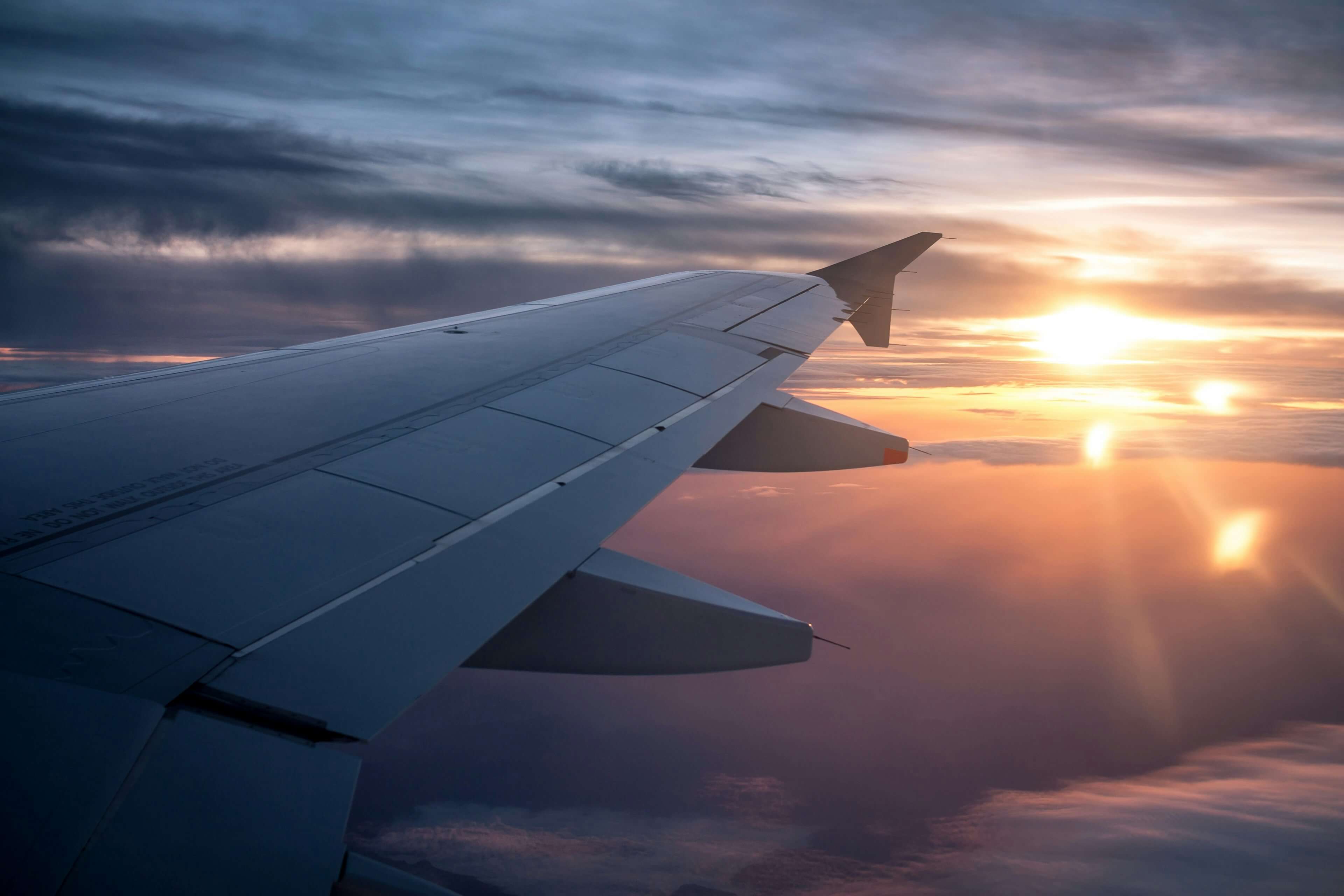
The COVID-19 pandemic redefined how the world travels. In its immediate aftermath, lockdowns, mask mandates, and PCR tests dominated the conversation. But five years later, in 2025, global tourism has not only bounced back—it has evolved. The way we think about destinations, travel purpose, and the experience itself is fundamentally different.
This isn’t just about revenge travel or pent-up demand. The shift is structural. From health-integrated border controls to AI-curated travel planning and a global surge in remote work, the entire tourism industry has undergone a strategic reset.
Here’s how travel has transformed in 2025—what's changed, what's stayed, and where it's headed next.
In 2025, travel isn’t just for vacations—it’s a lifestyle. The normalization of hybrid and remote work has given rise to "slow travel," where professionals spend weeks or months abroad without ever taking time off. This has led to:
Long-stay visa programs from over 50 countries
An explosion in co-living/co-working spaces
Employers actively encouraging work-from-anywhere retreats
People no longer travel to escape work—they bring work with them.
Airports, hotels, and even tourist attractions have made health protocols permanent. QR-code-based vaccine and health pass systems are now globally interoperable. Travelers expect cleanliness, touchless tech, and access to healthcare as standard features.
Tourism boards now promote:
Air quality ratings
Local healthcare access
Emergency readiness
This shift has redefined what makes a destination "safe."
Booking a trip in 2025 is less about endless Google searches and more about smart automation. AI agents (like GPT-based travel bots) can plan fully personalized itineraries in minutes, based on your:
Budget
Preferences
Health needs
Real-time local data
Apps now auto-adjust plans based on flight delays, weather, and even crowd conditions.
Post-pandemic, travelers are far more conscious of their environmental impact. Many now seek:
Low-emission transportation
Carbon-offset booking options
Regenerative travel experiences (volunteering, local impact)
Airlines and hotels that don’t meet sustainability standards are increasingly filtered out during booking.
Urban tourism has rebounded, but secondary and tertiary cities are where the action is. Travelers in 2025 prioritize:
Avoiding over-tourism
Discovering unique, under-the-radar spots
Connecting with locals through experience platforms (like AirBnB Experiences or Withlocals)
Digital nomads especially favor cities with fast internet, good infrastructure, and fewer crowds.
The pandemic didn’t kill travel. It refined it.
In 2025, tourists are more thoughtful. Tech has smoothed out friction. Borders are smarter, not just stricter. And the reasons we travel have expanded beyond leisure. We travel to work, to live, to connect, and yes, to escape—but now with a sharper sense of what matters.
The future of tourism isn’t just about movement—it’s about meaning. The destinations we choose, the way we move, and how we spend our time all say more about our values than ever before.
Travel hasn’t just returned. It’s been redefined.
Travel2025
PostPandemicTravel
DigitalNomads
EcoTourism
RemoteWork
TravelTrends
SmartTravel
AITravel
Home
About
Categories
Contact