
Primescope
Home
About
Categories
Contact
Home
About
Categories
Contact
The Trump-appointed interim NASA administrator has fast-tracked a plan to deploy a 100 kW lunar nuclear reactor by 2030, aiming to power future Moon bases and counter China-Russia space ambitions.
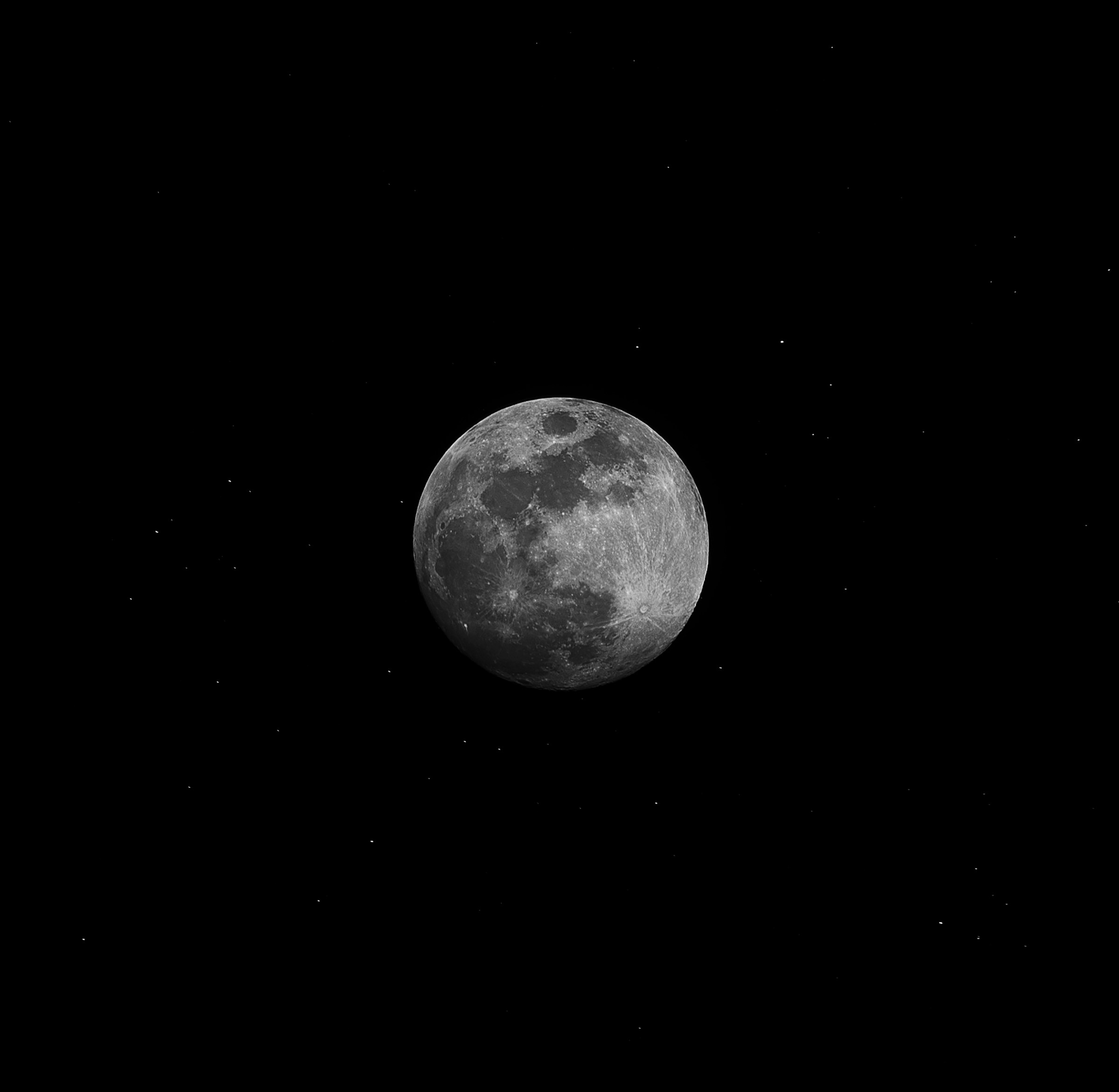
The United States, under interim NASA Chief Sean Duffy (appointed during the Trump administration), has unveiled an accelerated drive to place a nuclear reactor on the Moon by 2030. This ambitious initiative is fueled by the twin forces of geopolitical rivalry and technological necessity. As China and Russia push forward with their own space power projects, the U.S. is moving to ensure that it secures a leadership role in establishing sustainable energy for long-term lunar exploration.
Geopolitical Competition: China and Russia have publicly announced their own plans for lunar nuclear reactors by the mid-2030s. U.S. officials fear that whoever gets there first could set de facto "keep-out zones" under the guise of safety measures, effectively controlling access to valuable lunar resources and regions. By accelerating deployment, the U.S. seeks to preempt such moves and secure operational freedom.
Reliable Moon Energy: Solar power on the Moon faces a serious limitation: the lunar night lasts about 14 Earth days. During this time, temperatures plummet and energy generation stalls. Permanently shadowed craters, some rich in water ice, are also inaccessible to solar panels. A nuclear reactor could deliver uninterrupted power, enabling habitats, mining operations, rovers, and research equipment to run year-round.
Power Target: The directive sets the bar at a 100-kilowatt fission reactor—more than double the output of previous 40 kW prototypes. This is enough electricity to power roughly 80 homes, and more importantly, sustain multiple lunar outposts.
Timeline & Process:
NASA must appoint a Fission Surface Power (FSP) Program Executive within 30 days.
A Request for Proposals (RFP) must be issued within 60 days to solicit designs from industry leaders.
The target launch readiness date is late 2029 or early 2030.
Funding: The FY2026 budget allocates $350 million for the program, with funding increasing to $500 million annually starting in FY2027 to support design, testing, and transportation.
Past Work: In 2022, NASA and the Department of Energy awarded concept contracts to Lockheed Martin, Westinghouse, and a consortium known as XI. These designs were aimed at 40 kW systems, marking an early step toward scalable lunar nuclear power.
Legal and Safety Considerations: International treaties, such as the Outer Space Treaty, do not prohibit nuclear power in space, but they require transparency and safe operation. Safety zones must be temporary and not used to claim sovereignty. The reactor's deployment will demand robust safeguards to prevent contamination or conflict.
If successful, the Moon reactor project could pave the way for nuclear-powered Mars bases, deep-space missions, and even Earth-based applications for small, modular reactors. It could also stimulate a new wave of U.S. space industry jobs and public-private partnerships.
The race to place a nuclear reactor on the Moon by 2030 is more than a technological milestone—it’s a strategic chess move in the 21st-century space race. With the right execution, it could ensure continuous human presence on the lunar surface and lay the groundwork for humanity’s next leap to Mars. However, the plan’s success will depend on swift coordination between NASA, industry partners, and international stakeholders, all while balancing safety, cost, and diplomacy.
Lunar Energy
Space Policy
NASA Artemis
Home
About
Categories
Contact